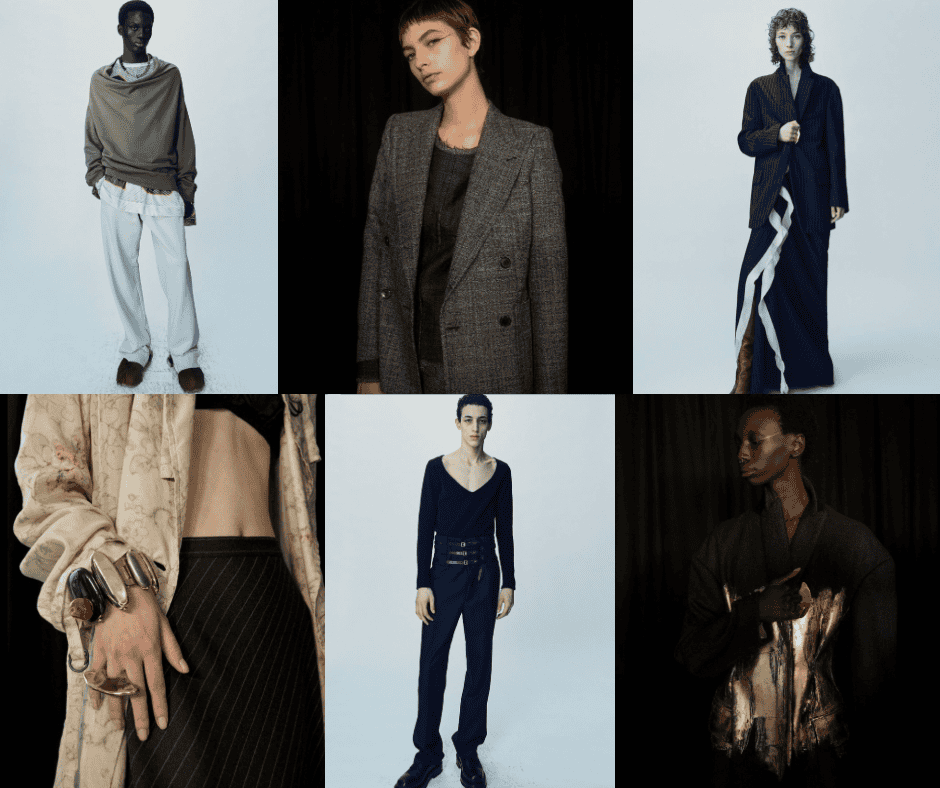
Alexander McQueen: Dark Romanticism and Avant-Garde Mastery
Origins and Founding
Alexander McQueen, the iconic British luxury fashion house, was founded in 1992 by Lee Alexander McQueen, a designer celebrated for his uncompromising creativity and boundary-pushing designs. After honing his craft at Savile Row, where he mastered tailoring, McQueen brought his visionary aesthetic to the fashion world, merging dark romanticism with avant-garde innovation.
The brand became renowned for its theatrical runway shows, intricate craftsmanship, and bold exploration of themes like beauty, decay, and rebellion. Alexander McQueen’s legacy continues to shape the fashion landscape as a symbol of artistic brilliance and technical excellence.
Ownership and Leadership
In 2001, Alexander McQueen was acquired by the Kering Group, a global leader in luxury goods. Following McQueen’s tragic passing in 2010, the house has been led by Sarah Burton, who previously worked as McQueen’s head of design. Burton’s leadership has upheld the brand’s core ethos while infusing it with feminine sensitivity and timeless elegance.
Aesthetic and Notable Pieces
Alexander McQueen’s aesthetic is characterized by its dramatic silhouettes, intricate tailoring, and emotive storytelling. The brand’s designs often juxtapose beauty and brutality, blending luxury materials with subversive details.
Signature Pieces
- The Skull Motif: A recurring symbol in scarves, jewelry, and accessories, representing McQueen’s fascination with mortality and beauty.
- Structured Tailoring: Impeccably crafted suits and coats inspired by McQueen’s Savile Row background, featuring sharp lines and dramatic proportions.
- The Armadillo Boot: An iconic, otherworldly footwear design that debuted in the Spring 2010 “Plato’s Atlantis” collection.
- Romantic Dresses: Ethereal gowns featuring ruffles, lace, and embroidery, often with a Gothic or Victorian influence.
- The Knuckle Box Clutch: A statement accessory adorned with intricate embellishments and the brand’s signature skull hardware.
- McQueen Sneakers: Sleek, oversized-sole sneakers that blend comfort with modern street style.
Each piece reflects the brand’s dedication to technical mastery and emotional depth, making Alexander McQueen synonymous with wearable art.
Legacy and Influence
Alexander McQueen revolutionized fashion with his ability to challenge conventions and explore profound themesthrough his designs. His impact extends beyond clothing, influencing how fashion is perceived as a medium for artistic expression.
Under Sarah Burton’s leadership, the brand has evolved while preserving its legacy of dramatic storytelling and couture-level craftsmanship. Burton’s designs have garnered acclaim, including the creation of Kate Middleton’s wedding dress in 2011, solidifying the brand’s place in both history and contemporary culture.
Famous Fans and Cultural Impact
Alexander McQueen has been embraced by a wide array of celebrities, artists, and cultural icons. Notable fans include Lady Gaga, Björk, Rihanna, Sarah Jessica Parker, and Kate Middleton, who have worn the brand’s daring and elegant designs on red carpets and in public life.
The brand’s influence extends into film, music, and art, with McQueen’s work frequently celebrated in exhibitions, including the renowned “Savage Beauty” retrospective at the Metropolitan Museum of Art.
The Legacy of a Visionary
Alexander McQueen embodies the spirit of artistry, rebellion, and technical mastery, offering designs that provoke thought and inspire awe. From its theatrical runway shows to its meticulously crafted garments, the brand continues to push the boundaries of fashion.
With its focus on heritage craftsmanship, visionary design, and modern responsibility, Alexander McQueen remains a beacon of avant-garde luxury, proving that fashion is both a statement and an art form.
Q&A
Who founded Alexander McQueen, and when?
Lee Alexander McQueen, in 1992.
Who is the current creative director?
Seán McGirr, appointed in 2023.
Is Alexander McQueen part of a larger group?
Yes. It’s owned by Kering.
What is the brand best known for?
Sharp tailoring, gothic romanticism, and dramatic runway concepts.
Most iconic pieces?
Skull scarf, Armadillo shoes, Bumster trousers, Four-Ring clutch, and Oversized Sneakers.
When did Alexander McQueen pass away?
2010.
Are Alexander McQueen Oversized Sneakers true to size?
They run large for many. Size down half to one size.
Are Oversized Sneakers comfortable for all-day wear?
Yes for most. The padded heel and cup sole help.
Do Oversized Sneakers crease or yellow?
Leather will crease with wear. Soles can yellow; clean regularly and store away from light.
How do I clean Oversized Sneakers?
Use a soft brush and mild soap. Wipe, then air dry. Avoid the washing machine.
Oversized vs Court or Sprint Runner—what’s the difference?
Oversized: thick cup sole and rounded toe. Court/Sprint: slimmer profiles and lighter feel.
Tread Slick boots—heavy or light?
They feel substantial. Break in with thick socks and short wears.
Do Tread Slick boots run true to size?
Usually true. Wide feet may prefer half-size up.
Skull scarf—what fabric and care?
Usually silk chiffon. Store flat, steam lightly, and avoid snagging jewelry.
How to spot a fake Skull scarf?
Check hand-rolled edges, crisp print, accurate logo, and quality tags.
Jewelled Satchel/Four-Ring clutch—does the hardware scratch?
It can. Store in a dust bag and avoid hard surfaces.
Do Alexander McQueen clothes run small?
Tailoring runs slim. Many size up for jackets and structured dresses.
Where are products made?
Primarily Italy, with select categories from trusted European partners.
Does Alexander McQueen go on sale?
Yes, seasonally. Core colors and classics discount less.
Is Alexander McQueen worth it?
If you value cutting silhouettes, rich materials, and strong design codes—yes.
What does the skull motif signify?
Memento mori and romantic rebellion—key themes in the house’s identity.